Experiencing connectivity issues with your PlayStation 4 gamepad can completely disrupt an immersive gaming session. Whether your DualShock 4 controller refuses to sync wirelessly or fails to recognize a physical connection, identifying the underlying cause is the first step toward a solution. This comprehensive guide outlines the most effective troubleshooting methods to restore your hardware communication quickly.
Inspecting the Physical Cable Connection
Many wireless sync errors stem from a faulty or low-quality micro-USB cable used during the initial pairing process. It is important to remember that not all cables carry data signals; some are strictly designed for charging power. Swapping out your current wire for a high-quality data-syncing alternative often resolves immediate registration issues.
Additionally, examine the input ports on both the hardware console and the controller itself for lint or physical damage. Debris accumulation inside the micro-USB slot can easily block the electrical handshake required to pair the devices. Trying a different USB port on the front or back of the system can isolate a failing connector.
Performing a Hardware Reset on the Controller
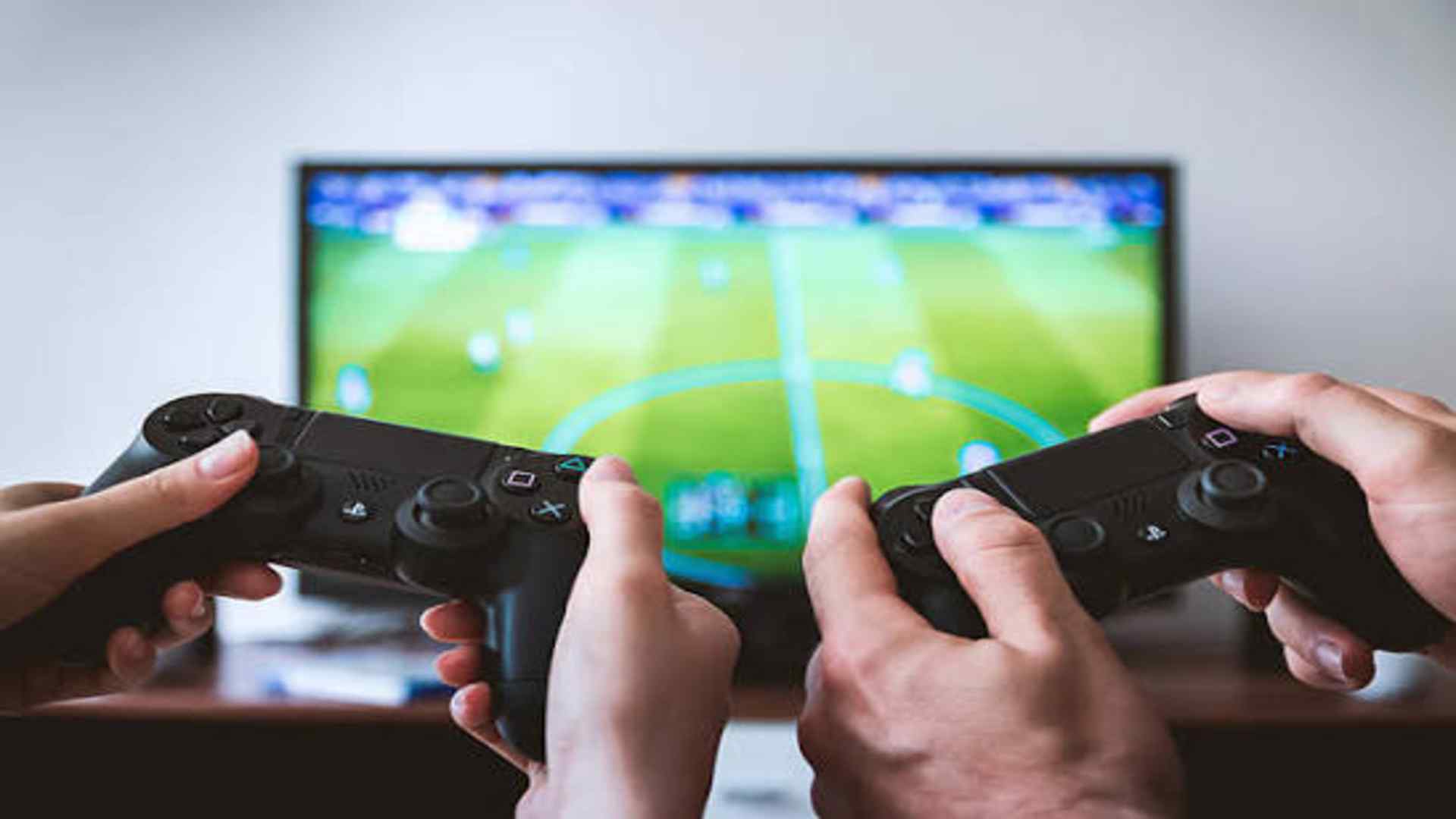
When software conflicts cause the peripheral to become completely unresponsive, a localized hardware reset can clear out problematic temporary configurations. Look at the back of the DualShock 4 device near the screw hole next to the L2 button to locate the recessed reset toggle. You will need a small straightened paperclip or a specialized pin tool to reach this hidden micro-switch.
Firmly press and hold the internal button down for roughly five seconds while the gaming system is fully operational. After releasing the switch, connect the peripheral back to the main console using a reliable data wire. Pressing the central PS button should now trigger a fresh registration process and restore normal functionality.
Managing Bluetooth Signal Interference
Wireless peripheral dropouts frequently occur when multiple active signals occupy the same local frequency spectrum. Nearby electronics like wireless routers, smart home hubs, and personal smartphones can inadvertently disrupt the Bluetooth connection between your console and controller. Minimizing the proximity of these external wireless broadcasting tools helps establish a much cleaner path for your gaming inputs.
If the controller light bar blinks white continuously without turning solid, it indicates a failure to secure the wireless handshake. You can clear out old peripheral registries within the system settings by navigating to the devices panel using a secondary navigation tool. Deleting the problematic entry forces the console to perform a completely clean discovery sweep during your next pairing attempt.
Addressing Power Cycle and Console Restarts
Sometimes the root cause of a connection failure lies within the core operating system of the home console rather than the peripheral itself. Performing a complete power cycle clears the system cache and resets internal communication modules that might have crashed during extended operations. Turn off the console completely rather than putting it into standby mode, then disconnect the main electrical plug.
Leave the hardware completely unpowered for a few minutes to ensure all internal capacitors drain fully before reconnection. Once powered back on, use a direct wired link to initiate the hardware sync sequence again. Keeping your console system software updated to the latest version also ensures continuous firmware compatibility with all standard peripherals.