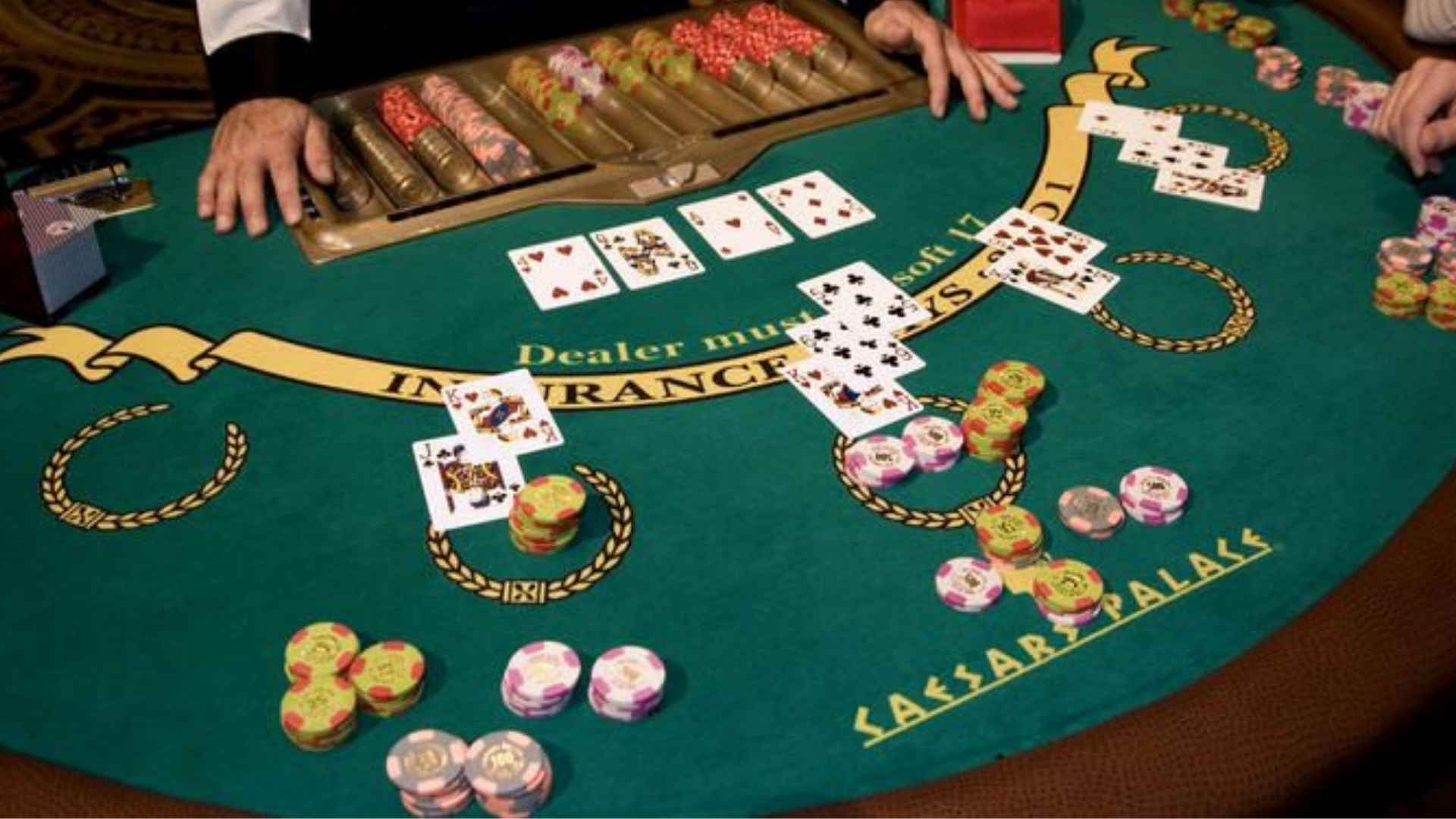
Maintaining emotional control at the competitive card table is often the primary differentiator between elite competitors and casual enthusiasts who rely entirely on luck. Developing a high level of composure allows you to execute complex maneuvers with absolute conviction rather than emotional hesitation. By mastering the fundamentals of psychological resilience, you can systematically accumulate chips even when your initial cards are far from ideal.
The Psychological Advantage of Emotional Regulation
When a strategic player remains entirely calm under pressure, they effectively prevent their opponents from gathering valuable behavioral clues. Casual participants frequently reveal the true strength of their current holdings through sudden changes in breathing patterns or irregular betting speeds. Keeping a uniform and unreadable demeanor forces your rivals to guess your intentions, giving you a distinct strategic edge throughout the session.
Furthermore, maintaining emotional control protects your bankroll from impulsive decisions driven by frustration or temporary losses. Observant competitors are always actively looking to exploit individuals who lose their focus immediately after experiencing a difficult round. Maintaining a steady mindset ensures that every single chip you commit to the pot is backed by pure mathematical logic rather than panic.
Smarter Decision Making Under Intense Pressure
High-stakes scenarios naturally introduce an incredible amount of psychological tension that can easily cloud a player's analytical thinking capacity. Calm individuals are able to process live variables, such as shifting board textures and opponent historical tendencies, with great clarity. This heightened mental sharpness allows them to calculate risks accurately instead of relying on dangerous emotional guesswork.
For players who want to practice these advanced strategies on reliable digital platforms, utilizing a secure m88 link mobile provides an excellent environment to test your cognitive skills. Navigating these competitive situations calmly helps you recognize exactly when to execute a calculated bluff or make a highly disciplined fold. Over time, making these small situational adjustments will dramatically maximize your overall success rate and build table authority.
Exploiting Predictable Opponent Behaviors
A quiet and focused presence allows you to spend more energy observing the subtle habits of the people sitting across from you. While emotional players are completely distracted by their own internal feelings, composed strategists are quietly documenting repetitive betting patterns. This deep situational awareness makes it much easier to identify which specific rivals are currently vulnerable to tactical pressure.
Targeting conservative opponents who constantly fold under aggression is a highly efficient way to claim uncontested pots without risking too much capital. Conversely, recognizing when an aggressive rival is playing recklessly allows you to patiently wait and extract maximum value from your premium hands. Your consistent patience directly converts their emotional mistakes into your growing chip stack.
Long Term Stack Preservation and Growth
Winning consistently at card games requires a sustainable approach that prioritizes long-term risk management over short-term excitement. Composed players view their chip stacks as strategic weapons rather than emotional currency to be thrown around carelessly during tense moments. This strict discipline prevents catastrophic losses during extended gaming sessions where mental fatigue begins to set in.
By treating each individual round as an independent mathematical event, you protect your total bankroll from unnecessary table volatility. Steady stack accumulation through patient execution is far more reliable than seeking massive, high-risk confrontations without proper structural justification. Ultimately, the most patient mindsets are the ones that consistently dominate competitive environments and finish the day with the most chips.